
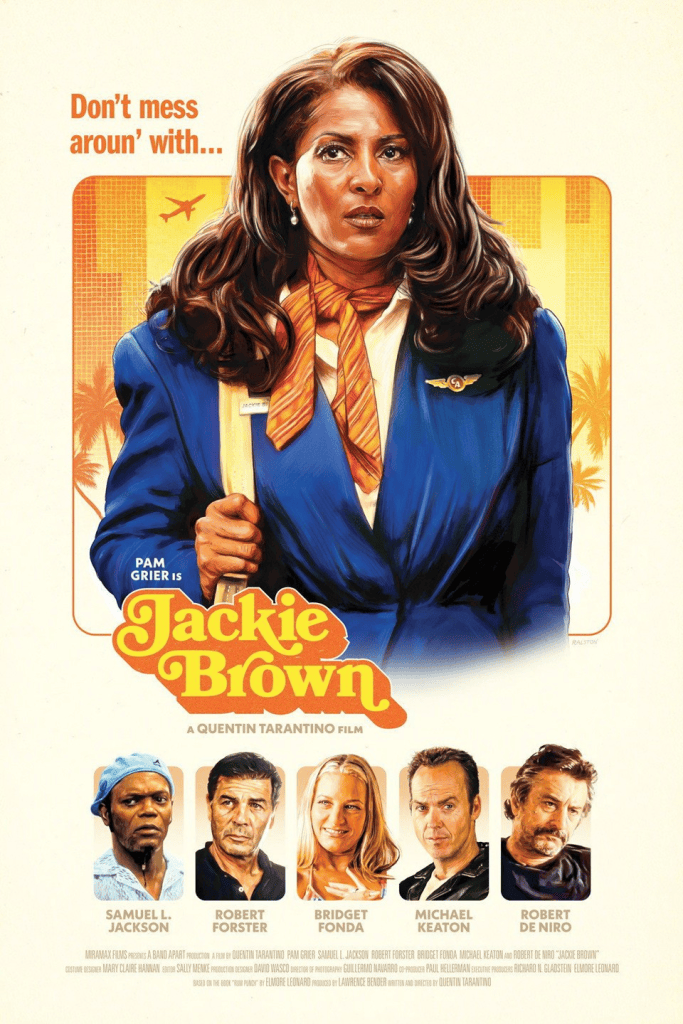
For the first week of October, I got to select first in the draft, and I of course took the obvious pick that we both wanted: Jackie Brown (1997). Inarguably Quentin Tarantino’s best movie he’s ever made. I had seen this movie as a teen (another one that my dad owned on DVD and would put on from time to time). Absolute vibe of a film. Everything in this film is perfectly placed.
The characterization in Jackie Brown is wonderfully done. One thing Quenton Tarantino does really well in all of his movies is the depth of his characters. From the opening scene with Jackie Brown (Pam Grier) with the song “Across 110th Street” by Bobby Womack playing, to the introduction of Ordell Robie (friend of the blog, Samuel L. Jackson), we can tell these characters are real, fleshed out, and have immense backstories. Even Beaumont (Chris Tucker) who is in Jackie Brown for approximately 5 minutes of screen time, is an interesting and integral character to the story. Not many directors or films do this to the level that Tarantino does.
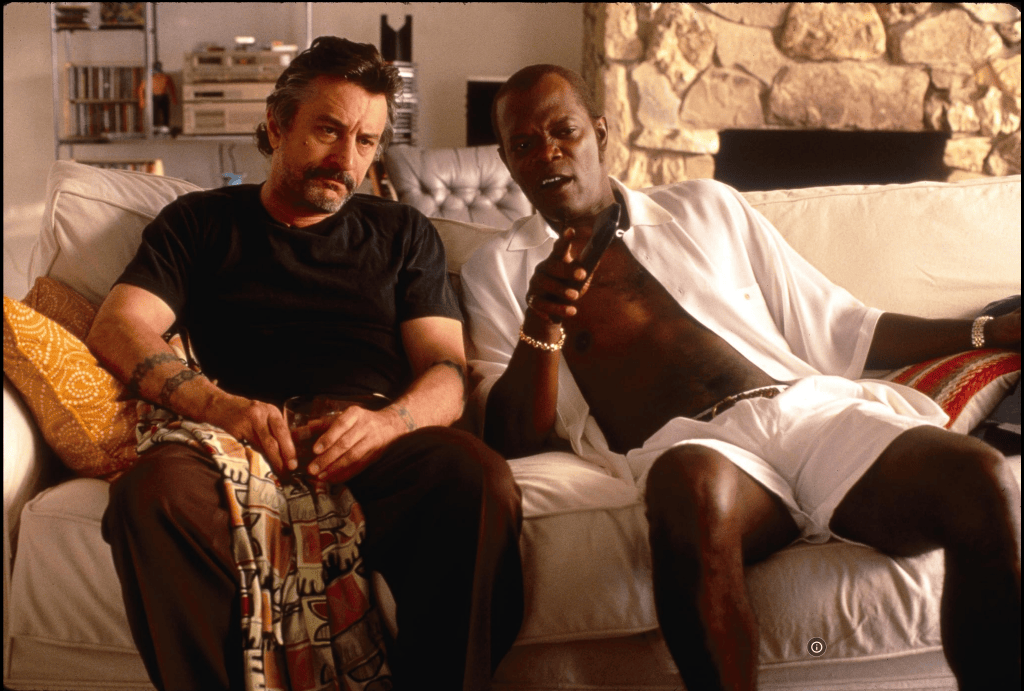
The way Jackie Brown was shot is really interesting too, some of the scenes, like the first scene in Ordell’s house with Louis (Robert De Niro) and Melanie (Bridget Fonda) looks like it was shot on a home camera, not with professional equipment. But the opening scene with Jackie Brown walking through the airport feels like it’s straight out of a 1970s film. These differences in the way different scenes were shot is not bad by any means, and I’m sure they did use different cameras/equipment depending on the environment they were shot in, but it was just something interesting I noticed with the production of Jackie Brown.
The acting in this movie is perfect. As mentioned above, the characterization in any Tarantino project is always deep, fleshed out, well designed. From the second these characters are on screen, you already know so much about them based on their mannerisms, the way they speak, how they interact with the world around them. The scene where we are first introduced to Max Cherry (Robert Forster) with Ordell when Ordell is bailing Beaumont out of prison is a prime example of the genius that Tarantino puts behind his characters and his dialogue. Ordell is sort of a hot head, he is full of himself, thinks he’s the shit, believes he has his whole plan in order in a way that few can fuck with him, and that he’ll come out on top in the end. (Spoiler alert: he comes out on bottom in the end.) We quickly learn that Max is a very capable person not only in his job but in general. He holds Ordell’s BS at bay in this scene, and for the rest of the movie.
One scene that really shows how great of a director and filmmaker Tarantino is happens towards the end of the movie. It’s after Jackie and Max have successfully pulled off the scam over Ordell and the cops that Jackie is supposedly helping to catch Ordell. This entire set of scenes is actually really interesting to watch. We see the same sequence play out from every one of the main character’s perspectives. We see Jackie Brown in the fitting room of a department store doing the handoff to Melanie, who is there with Louis. And together they are supposed to deliver the cash to Ordell. We the viewer get to see that Jackie pulled a fast one on Melanie and swapped the bags with the cash in it, only giving $50,000 to Melanie (the amount that the cops working with Jackie believe is being exchanged.) In reality, Jackie has taken all of Ordell’s money, like she had planned with him, but she has kept the other $500,000 for herself. Max goes into the fitting room and takes the cash to later deliver to Jackie.
After the supposed exchange, Louis meets up with Ordell, who finally looks in the bag. That’s when he realizes there is only $50,000 in the bag, not the expected half a million dollars. Ordell begins flipping out, yelling at and blaming Louis, thinking that he’s tried to pull a fast one on him. The great scene that shows Tarantino’s directing prowess occurs here. Ordell takes a pause, and thinks for a moment while we see the vein in his forehead that was popping out just seconds prior begin to calm down. Giving your characters time to pause and take a breath and actually think is a big sign of good writing and directing. This scene really speaks to the depth of character that Samuel L. Jackson is portraying here. He looks up, and says to Louis, “It was Jackie Brown.” The puzzle pieces are fitting together in his mind. This loud, talkative, obnoxious villain is more than just that. He is also methodical, and has been playing this game for a long time. Always coming out on top, until now.
I think my only complaint about Jackie Brown is the pacing, it has a run time of 154 minutes. Everything that happens matters, and keeps the viewer entertained, wanting to see the next scene and how it plays out, despite it feeling a bit drawn out. This is just a minor gripe from me, and really doesn’t take away from how great this film is.
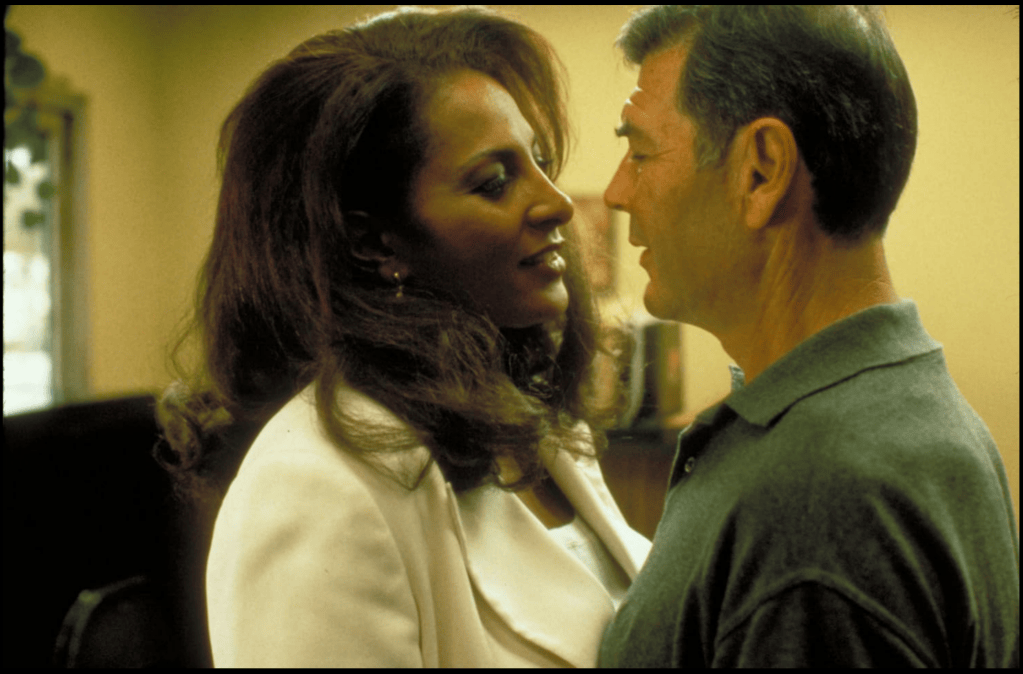
One of my favorite parts of the movie is the ending, the chemistry between Pam Griere and Robert Forster on screen was amazing. The whole time they’re working together, you want to see them end up together. But that’s not how life works, that’s how Hollywood works more often than not. After Jackie wraps up helping the cops out, and gets off scot free, after Ordell is killed by them with the marked bills found on his corpse, Jackie comes back to Max’s office for one final visit. Earlier in the movie, he was telling her that he was feeling lost, he’s thinking he’s done being a bail bondsman, he wants something different. But after helping Jackie and seeing the good he can still do in the world, he says goodbye to her as she runs off to Spain with the $500,000. It’s bittersweet. They’re both going forward how they want to in life, and sadly, that can’t be together. This was a smart way to wrap up their piece of the story, rather than force feed a romantic ending to the audience.
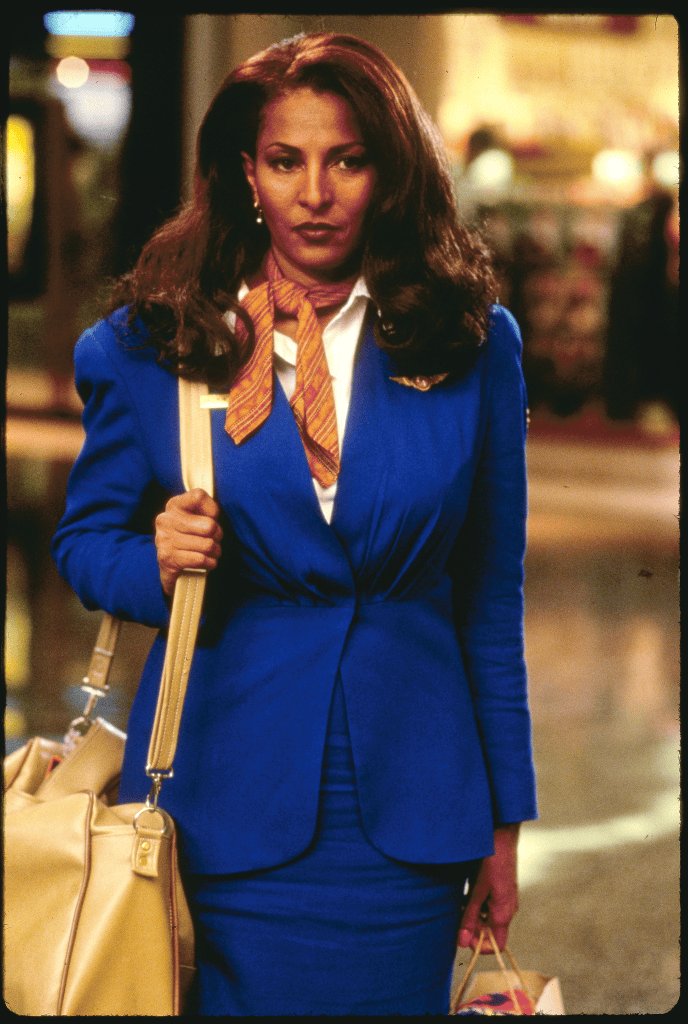
If you at all consider yourself a film enjoyer, and have yet to see this one, I highly recommend it. As stated earlier, this is far and away Quentin Tarantino’s best film he’s ever made. It’s entirely worth the watch.
-4 mallards/5
-Seann
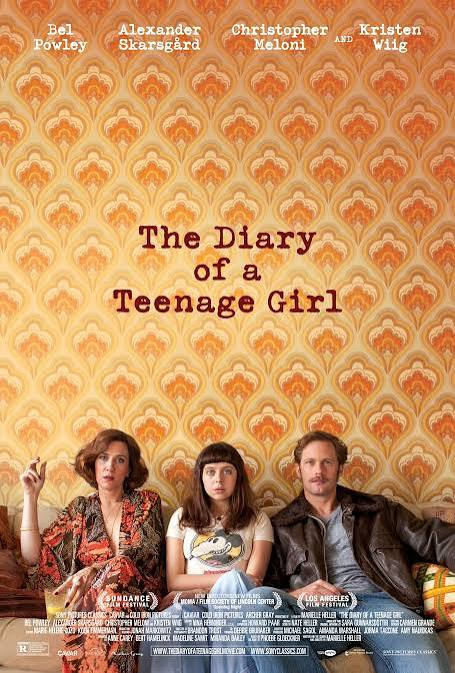
The Diary of a Teenage Girl (2015) is a coming of age tale of a fifteen year old girl set in San Francisco in the late 1970s. It’s also based on a book, a bildungsroman to use a fancy term, that I’ve never read. I’d never really heard of this movie before picking it first for this month, but that’s largely because the other options seemed less appealing. The randomizer giveth and the randomizer taketh away.
Despite my ignorance of this film before viewing, I was rather impressed and pleasantly surprised at its quality. As I’m sure you can tell if you’ve read my previous reviews, I’m a sucker for a movie set in an idealized 1970’s America, especially because of the fashion and aesthetic of the city streets and characters. While this movie presents an idealized past, I think it also does a great job of showing the soft underbelly as well. While it’s no secret that drug and alcohol abuse was rampant in the 1970s (and especially in San Francisco), this movie treats drugs and alcohol almost as a character in itself as opposed to a theme on which it moralizes.
At the heart of this film is Minnie Goetze, played by Bel Powley. Her parents are separated, and she lives with her ‘bohemian’ (which means, in this case, alcoholic and drug-binging) mother and her odd younger sister, Gretel (Abigail Wait). Minnie’s state of being is focused on her own negative perceptions of herself, her loneliness, and her fears that nobody will ever love her. I’m sure that these are things most people can reflect on feeling in their youth, and I’m no different. While this movie is ostensibly a coming of age tale, I think what it truly is about is escapism.
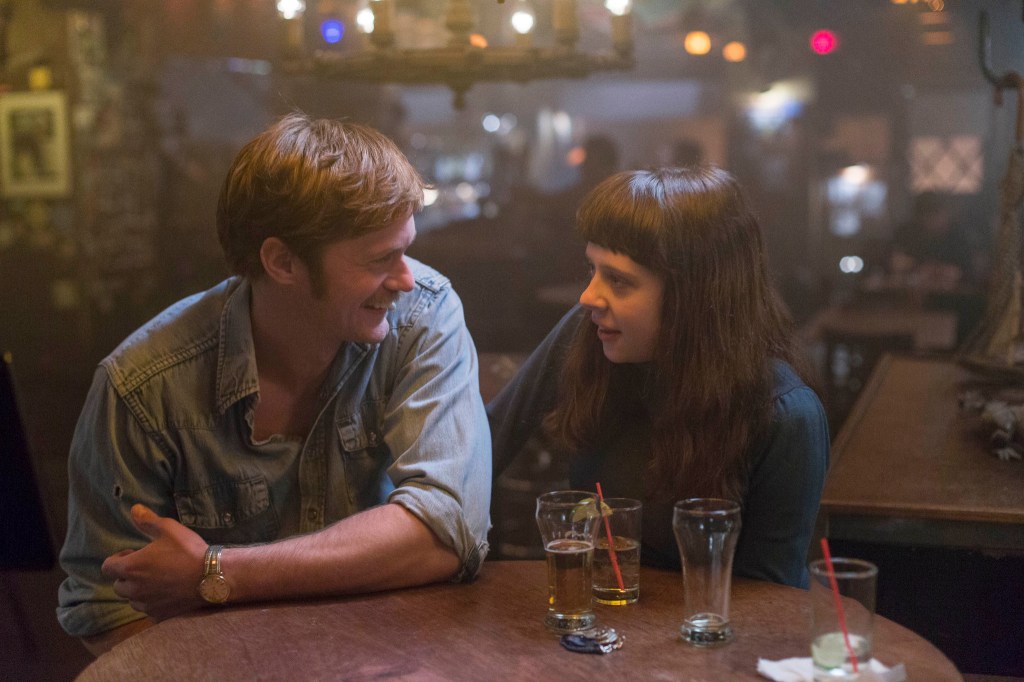
As we learn more about each of the characters in this film, we realize that each of them is escaping something. I’ll start with Charlotte, Minnie’s mom (played by friend of the blog Kristen Wiig), who is escaping a loneliness of her own. Her ex-husband (and Minnie’s father), Pascal (played by Christopher Meloni), is seemingly a successful man of some sort of industry. He lives in New York City, and when he’s shown on-screen he’s wearing a nice pressed suit and looks very prim and proper. This is in contrast to Charlotte’s current boyfriend and ultimate catalyst for Minnie’s undoing, Monroe (played by Alexander Skarsgard). Monroe is a rough-around-the-edges type of guy, who wears denim, t-shirts, leather, and does acid. Though it’s never explicitly stated, we get the sense that Charlotte’s life with Pascal was too neat and orderly for her boho inclinations, and she’s swung wildly in the opposite direction with Monroe.
As mentioned already, Minnie’s escapism stems from her loneliness, self-isolation, and self-criticism. She’s convinced that she’s not very attractive, outright stating as much on multiple occasions, and that no man will ever love her. Her obsession with finding love from someone else is rooted in her observations of Charlotte, who exists only through attaching herself to one man and then another. Minnie’s form of escapism is through conflating sex with love, which sends her down a slippery slope towards drug use, prostitution, homelessness. It could be argued that these changes happen too quickly and suddenly from just one bad decision that Minnie makes, and indeed this film does feel too similar to the old abstinence-only pedagogical approach of ‘don’t have sex or you’ll die’.
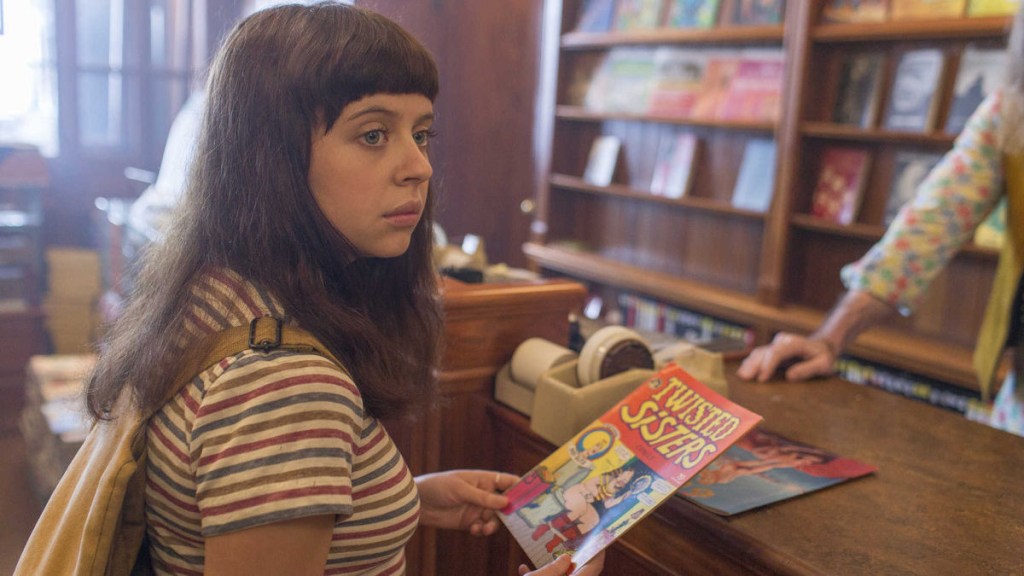
It’s hard to say there’s a moral to this film, although I think the creators do a great job of not judging Minnie and company too harshly for their actions. They are just escaping their awful lives, after all. The overarching idea of the movie, to me, is that there are a few healthy forms of escapism. This is shown, in a really inventive and creative way, to be through art. Minnie is an aspiring cartoonist, and she mostly writes cartoons about what’s going on in her life. Though she’s writing about her own experiences she’s able to articulate herself, understand her situation, and have control over the outcome in the cartoons she creates. Throughout the film we’re treated to multimedia sequences where her cartoons literally come off of the page and merge with the scene itself – sometimes we’re transported directly into the comic to experience cartoon Minnie, other times the cartoon transcends the page and Minnie pictures herself becoming a bird or as a large and voluptuous woman. These scenes are amongst the best in the picture.
Minnie discovers a cartoonist, Aline Kominsky, for whom she feels a kinship. She sends Aline her cartoon along with a short letter about her life and what she’s struggling with. During the denouement of the film she receives a letter back from Aline, who encourages her to keep making her cartoons. Additionally, Aline writes that she’s happy to receive a letter from a young girl, as opposed to the many boys who try to contact her. This is, to me, Minnie’s lightbulb moment. She realizes that she has multiple avenues by which to get the love and affection of others, and many of them don’t include falling into the same traps as her mother or her friends. This is perhaps stated a bit too heavy-handedly in the final lines of the film: “Maybe nobody loves me. Maybe nobody will ever love me. But maybe it’s not about being loved by someone else.”
Overall, this is a movie that had some really enchanting and creative visuals, great acting, a feel-good story, and a great setting. It felt really quick to devolve into debauchery and the ending is just a little too neat and quick, as well. Minnie is forgiven for everything she’s done, there are no repercussions for her behavior, and she’s blissfully selling her drawings on the beach. It wraps up on a rather saccharine note that undercuts the drama and action of the scenes before it, some of which are truly graphic and depraved.
The Diary of a Teenage Girl (2015) has a score of 6.8 out of 10 on IMDB, a Rotten Tomatoes tomatometer score of 95% (!), and a Score of 3.5 out of 5 on Letterboxd. As much as I dislike to go along with the hive mind and just echo what prior reviewers have said, I feel this is a good example of a movie that is a 3.5
-3.5 mallards/5
-Maxwell


Leave a comment